

What does azelaic acid do for skin?
Last updated:
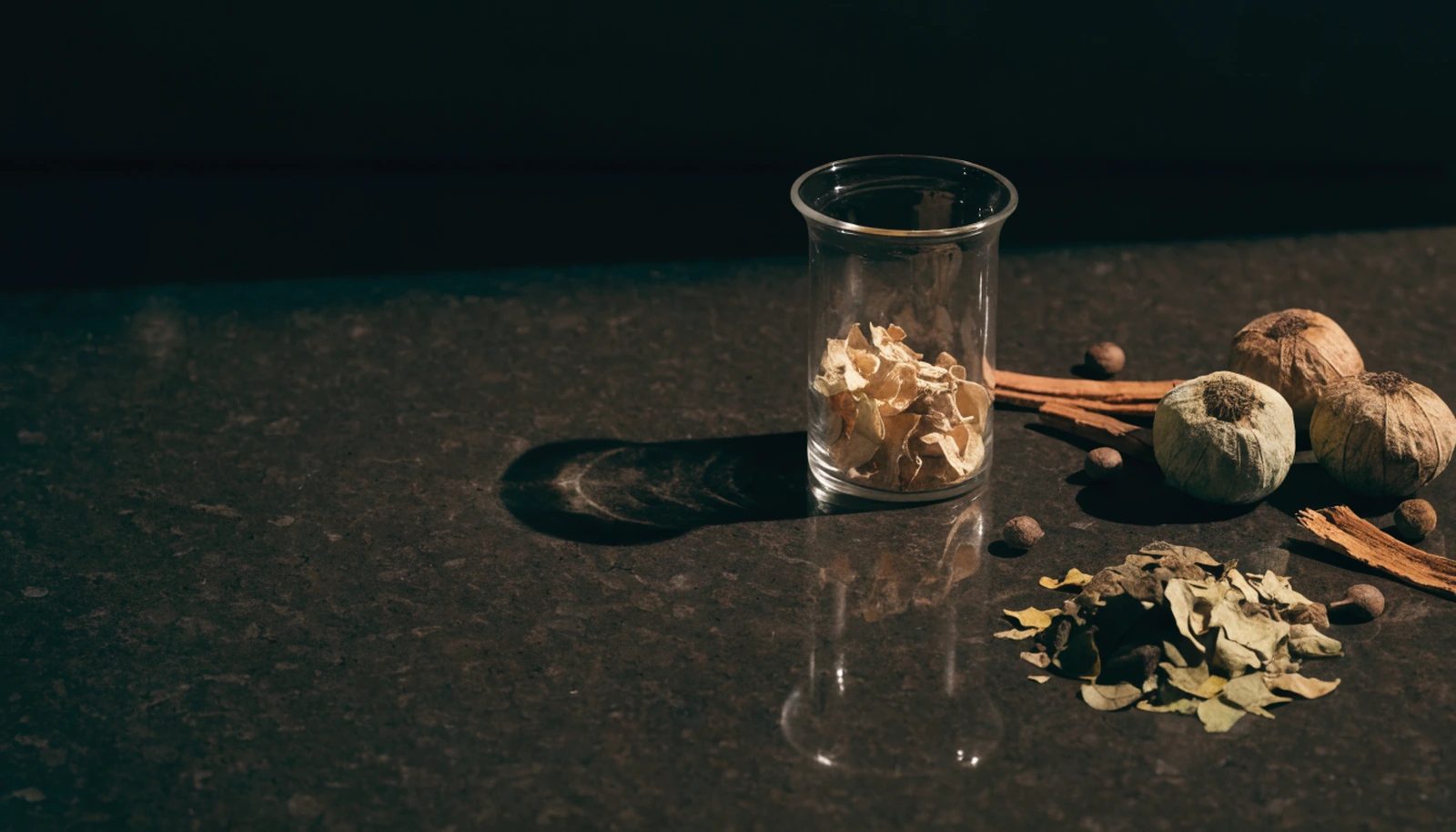
Azelaic acid is a nine-carbon dicarboxylic acid that occurs naturally in grains such as wheat, rye and barley. On skin it has antibacterial, anti-keratinizing, anti-inflammatory and antimelanogenic activity, which is why it is used for acne, the bumps and redness of rosacea, and uneven pigment such as melasma. In the United States, 15% gel and foam and 20% cream are prescription drugs.
What is azelaic acid?
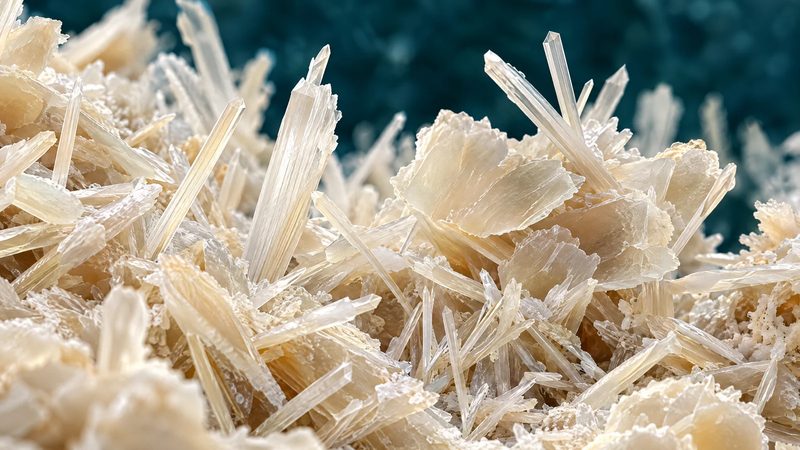
Azelaic acid (1,7-heptanedicarboxylic acid) is a saturated dicarboxylic acid with nine carbon atoms3,5. It occurs in grains such as rye, wheat and barley, and the human body makes small amounts from fatty acids4. US prescription labeling describes it as a dietary constituent of whole grain cereals and animal products3.
Its use on skin began with an observation about pigment4. In the 1970s, researchers studying the pale patches of pityriasis versicolor found that the skin yeast Malassezia furfur breaks down fatty acids into dicarboxylic acids, including azelaic acid, that inhibit melanocytes4.
Today it appears in both prescription drugs and cosmetic formulas5. A 2023 review counted commercially available gels and creams with cosmetic or drug status containing 5% to 20% azelaic acid5.
How does azelaic acid work on skin?
Laboratory and clinical research describes several actions at once4:
- Antibacterial: it crosses the bacterial cell membrane and lowers the internal pH of bacteria such as Cutibacterium acnes (formerly Propionibacterium acnes), and a 2024 review reports that, unlike antibiotics, it does not induce bacterial resistance4.
- Anti-keratinizing: it reduces the excess build-up of skin cells inside and around follicles, the process that contributes to clogged pores4.
- Antimelanogenic: it competitively inhibits tyrosinase, the enzyme that starts melanin production, and suppresses the proliferation of melanocytes4.
- Anti-inflammatory: it inhibits the release of reactive oxygen species from neutrophils and suppresses TLR2, the enzyme KLK5 and the peptide LL-37, a pathway linked to rosacea4.
What is azelaic acid used for, and how strong is the evidence?
The evidence is deepest for acne and papulopustular rosacea, the two uses that US regulators have reviewed as prescription indications1,3. Pigment uses rest on smaller trials6.
Regulatory labeling is more cautious about mechanism than the reviews: the US label for 15% foam states that the mechanisms by which azelaic acid acts in rosacea are unknown, and the 20% cream label states that the exact mechanism is not known2,3.
| Use | Strength in cited sources | What the evidence shows |
|---|---|---|
| Inflammatory acne | 20% cream (US prescription); 15% in some trials | Labeled in the US for mild to moderate inflammatory acne3. In 55 patients, 15% used twice daily for 9 months controlled inflammatory lesions better than 3 months of azelaic acid followed by adapalene5. |
| Papulopustular rosacea | 15% gel or foam (US prescription) | In 961 patients, 15% foam outperformed placebo over 12 weeks (32.0% vs 23.5%)5. A network meta-analysis of 19 trials found 15% comparable to metronidazole 0.75% and ivermectin 1%7. |
| Melasma | 20% in several trials | A meta-analysis of 6 randomized trials with 673 patients found azelaic acid may reduce melasma severity more than hydroquinone, with no difference in adverse events, and called for larger trials6,4. |
| Post-inflammatory hyperpigmentation | Not specified in cited sources | Described as a common use alongside melasma in a 2023 review5. |
Does azelaic acid help rosacea?
Yes, for the bumps and pustules of papulopustular rosacea. FDA approved Finacea, an azelaic acid 15% gel, in December 2002 with a prescription marketing status1. The 15% foam is labeled for the inflammatory papules and pustules of mild to moderate rosacea2.
On redness specifically, a placebo-controlled study found 15% gel reduced erythema and inflammation more than placebo gel, and two studies found 15% azelaic acid more effective than metronidazole gel at reducing inflammatory lesions and erythema5.
A 2025 network meta-analysis of 19 randomized trials with 8,208 participants with moderate to severe papulopustular rosacea ranked azelaic acid 20% highest for improvement in investigator global assessment, found 15% comparable to metronidazole 0.75% and ivermectin 1%, and found that 15% carried the highest odds of adverse events among the agents compared7. Rosacea is a diagnosis, so the choice of prescription therapy belongs with a dermatologist or other clinician.
Is azelaic acid a prescription drug or a cosmetic ingredient?
It can be either, depending on the product's intended use. Under US law, whether a product is a cosmetic or a drug is determined by its intended use, and a product making a drug claim is regulated as a drug8.
Drugs@FDA lists Finacea 15% gel with a prescription marketing status1, and the 15% foam and 20% cream carry prescription drug labeling2,3. Cosmetic formulas sit alongside them on the market: products with cosmetic or drug status contain 5% to 20% azelaic acid5.
FDA also notes that the law does not recognize the term cosmeceutical, and that a product can be a drug, a cosmetic or both8. Claims stated on the labeling are one of the ways intended use is established, so the label tells you which category you are holding8.
How do you use azelaic acid, and what side effects should you expect?
With a prescription product, follow the prescriber's directions and the label. With a cosmetic product, follow the product directions, and on reactive skin, a patch test before full use shows how your skin responds.
The most common reactions are local. In US labeling, 15% foam lists local site pain (6.2%), itching (2.5%), dryness (0.7%) and redness (0.7%) as the most common adverse reactions2, and 20% cream lists itching, burning, stinging and tingling in roughly 1% to 5% of patients3. A 2023 review describes side effects as generally mild and transient local irritation5.
Both labels report hypopigmentation after azelaic acid use, and the foam label notes that azelaic acid has been reported to irritate the eyes, so keep it away from the eye area2,3.
Key takeaways
- Azelaic acid is a nine-carbon dicarboxylic acid found in grains and made in small amounts by the body.
- It has antibacterial, anti-keratinizing, antimelanogenic and anti-inflammatory activity, which explains its use for acne, rosacea and pigment.
- In the US, 15% gel and foam for rosacea and 20% cream for acne are prescription drugs; cosmetic and drug products span 5% to 20%.
- For melasma, a meta-analysis of 6 trials suggests it may perform as well as or better than hydroquinone, but the trials are small.
- Stinging, itching and dryness are the common reactions; keep it away from the eyes.
References
- Drugs@FDA: New Drug Application (NDA) 021470, FINACEA (azelaic acid) 15% gel
- FINACEA FOAM (azelaic acid) aerosol, foam: prescribing information
- AZELEX (azelaic acid cream) 20%: prescribing information
- Azelaic Acid: Mechanisms of Action and Clinical Applications
- The multiple uses of azelaic acid in dermatology: mechanism of action, preparations, and potential therapeutic applications
- Azelaic Acid Versus Hydroquinone for Managing Patients With Melasma: Systematic Review and Meta-Analysis of Randomized Controlled Trials
- The efficacy and safety of minocycline, metronidazole, ivermectin, and azelaic acid in moderate-to-severe papulopustular rosacea: A systematic review and network meta-analysis
- Is It a Cosmetic, a Drug, or Both? (Or Is It Soap?)
Frequently asked questions
Can you use niacinamide with azelaic acid?
The two work through different routes: azelaic acid inhibits tyrosinase and has antibacterial and anti-keratinizing effects4, while niacinamide is covered on its own ingredient page. If you add both to a routine, introduce one new product at a time so you can tell which one is responsible if your skin stings, itches or turns dry, the common reactions to azelaic acid2,3.
How long does azelaic acid take to work?
Can azelaic acid lighten skin too much?
Can you use azelaic acid during pregnancy?
The US label for the 20% cream states it should be used during pregnancy only if clearly needed3. If you are pregnant or planning a pregnancy, ask your clinician before starting any azelaic acid product.