Cats and Essential Oils
Essential oils including geraniol and peppermint oil are toxic to cats.



Last updated:
Every biosecurity active has a hazard profile, and responsible use starts with knowing which animals, habitats and people it can affect. This section sets out the species sensitivities, environmental limits and regulatory rules that shape how Vegalab products are formulated, labeled and used.
Cats lack key liver glucuronidation capacity and are highly sensitive to essential oils, including geraniol and peppermint oil. Cats and essential oils explains the biology and the precautions for households, catteries and farms with barn cats. The species safety matrix compares each Vegalab active across cats, dogs, horses, poultry, cattle, bees, fish and aquatic invertebrates, and states where use must be restricted to premises, housing, bedding and perimeters. Both pages give practical precautions rather than general warnings.
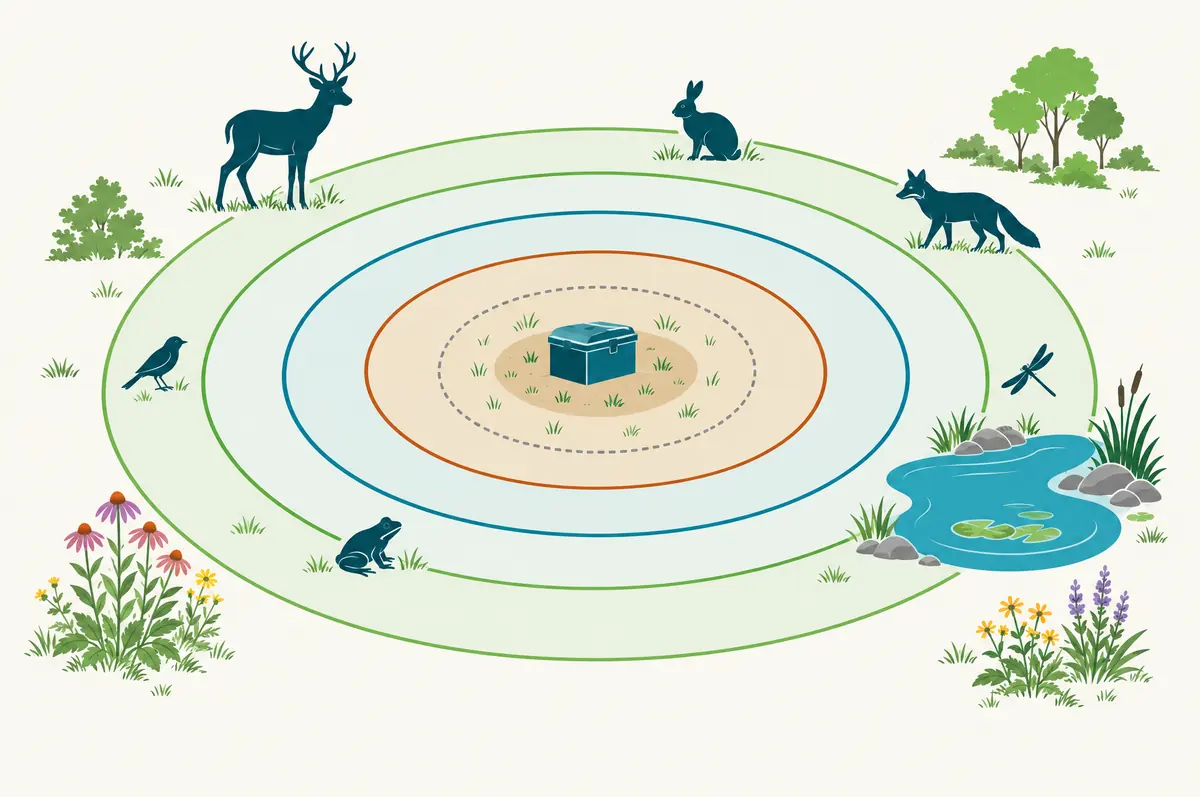
Pollinators and aquatic life covers the two most common non-target concerns: bees foraging near treated areas and runoff into ponds and streams. Tea saponin is an aquatic hazard, essential oils can affect bees on direct contact, and chlorine dioxide must be kept out of surface water at working concentrations. The page sets out buffer, timing and disposal practices. It also covers why encapsulation lowers some exposures but never replaces label buffers and application timing.
FIFRA 25(b) minimum-risk explained covers the US exemption that applies to some botanical products, its conditions, and why state registration is still usually required. How we write label claims sets out the words Vegalab does and does not use, why pests but not diseases are named, and how development products are described before registration. Together they explain why our product pages read the way they do, and why premise uses of crop products are shown as in development until the label allows them.
Encapsulation manages exposure. Controlled release lowers peak vapor concentrations from volatile oils in enclosed housing and reduces free active available to wash into water. Each exposure reduction is measured product by product, and essential-oil products are kept off animals.
Veterinarians and facility managers: request safety data sheets for any Vegalab product.
Essential oils including geraniol and peppermint oil are toxic to cats.
Each biosecurity active carries different risks for different animals.
The main non-target risks from premise biosecurity treatments are bees contacted by spray and aquatic life exposed through runoff.
FIFRA section 25(b) exempts certain low-risk pesticides from federal EPA registration, but only if every condition is met.
Vegalab writes biosecurity claims to the pesticide and disinfectant rules, not to marketing habit.