


Ectoin in skincare
Last updated:
Ectoin is a cyclic amino acid derivative made by halophilic bacteria to survive extreme salinity, temperature and drying. In skincare it works differently from most humectants: instead of binding water directly, it orders water around proteins and membranes into a stabilizing hydration shell. Its evidence is strongest for barrier protection and resilience against dehydration, heat, UV and surfactant stress.
What is ectoin?
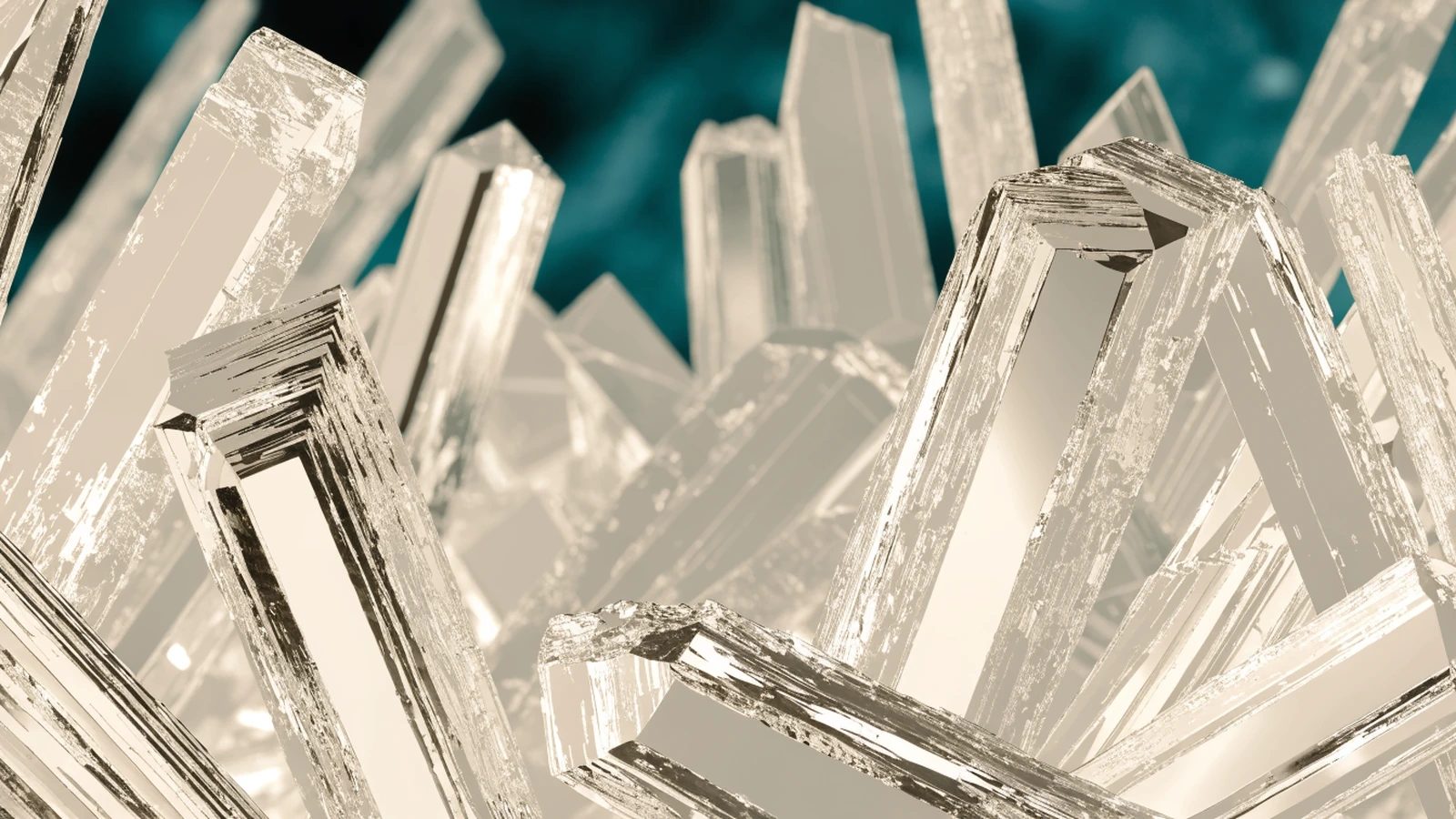
Ectoin is a cyclic amino acid derivative produced by halophilic bacteria to survive extreme salinity, temperature and desiccation. It belongs to a class called extremolytes - compounds that stabilize cells under stress rather than acting as nutrients or signaling molecules.
How does ectoin work?
Most humectants work by binding water directly. Ectoin works by ordering the water molecules around proteins and membranes, forming a hydration shell that stabilizes them. The consequence is protection of cellular structures against stressors including dehydration, heat, UV and surfactant damage, rather than simply adding moisture.
That is a genuinely different mechanism from glycerin or hyaluronic acid, and it is why ectoin shows up in barrier-repair and post-procedure contexts as well as hydration.
How much ectoin does the range use?
Vegalab's Hydrating NanoSerum uses a stated Ectoin complex at 20%, described as a Ceratoin liposome system, paired with ceramides.
What does ectoin not do?
It is not an exfoliant, a pigmentation active or an anti-aging active in the collagen-stimulating sense. Its evidence is strongest for barrier protection and stress resilience, and claims should stay in that territory.
Is ectoin safe?
Very well tolerated, with no notable irritancy and no photosensitisation. It is one of the more benign actives in common use, which is part of its appeal for sensitized skin.
Key takeaways
- Ectoin is an extremolyte, a compound that stabilizes cells under stress rather than acting as a nutrient or signal.
- It forms a hydration shell around proteins and membranes instead of binding water directly.
- That mechanism differs from glycerin and hyaluronic acid, which is why ectoin appears in barrier and post-procedure contexts.
- It is not an exfoliant, a pigmentation active or a collagen-stimulating anti-aging active.
- It is very well tolerated, with no notable irritancy and no photosensitization.
References
The studies below describe the ingredient itself. Finished-product results appear in each product's evidence dossier.
Frequently asked questions
What are the benefits of ectoin for skin?
Ectoin protects cellular structures against stressors including dehydration, heat, UV and surfactant damage, rather than simply adding moisture. Its evidence is strongest for barrier protection and stress resilience.
How is ectoin different from hyaluronic acid or glycerin?
Most humectants, including glycerin and hyaluronic acid, work by binding water directly. Ectoin orders the water molecules around proteins and membranes, forming a hydration shell that stabilizes them. That is why it shows up in barrier-repair and post-procedure contexts as well as hydration.
What is an extremolyte?
An extremolyte is a compound that stabilizes cells under stress rather than acting as a nutrient or signaling molecule. Ectoin is one, produced by bacteria that live in extreme salinity, temperature and desiccation.
Is ectoin an anti-aging ingredient?
Not in the collagen-stimulating sense. Ectoin is also not an exfoliant or a pigmentation active, and claims for it should stay in the territory of barrier protection and stress resilience.
More in ingredients
Products containing ectoin
Listed because this ingredient appears in each product's declared composition. This is a commercial link from a reference page; it is not a recommendation, and approved uses and availability vary by market.