

Silk proteins: fibroin and sericin
Last updated:
What is Silk proteins: fibroin and sericin?
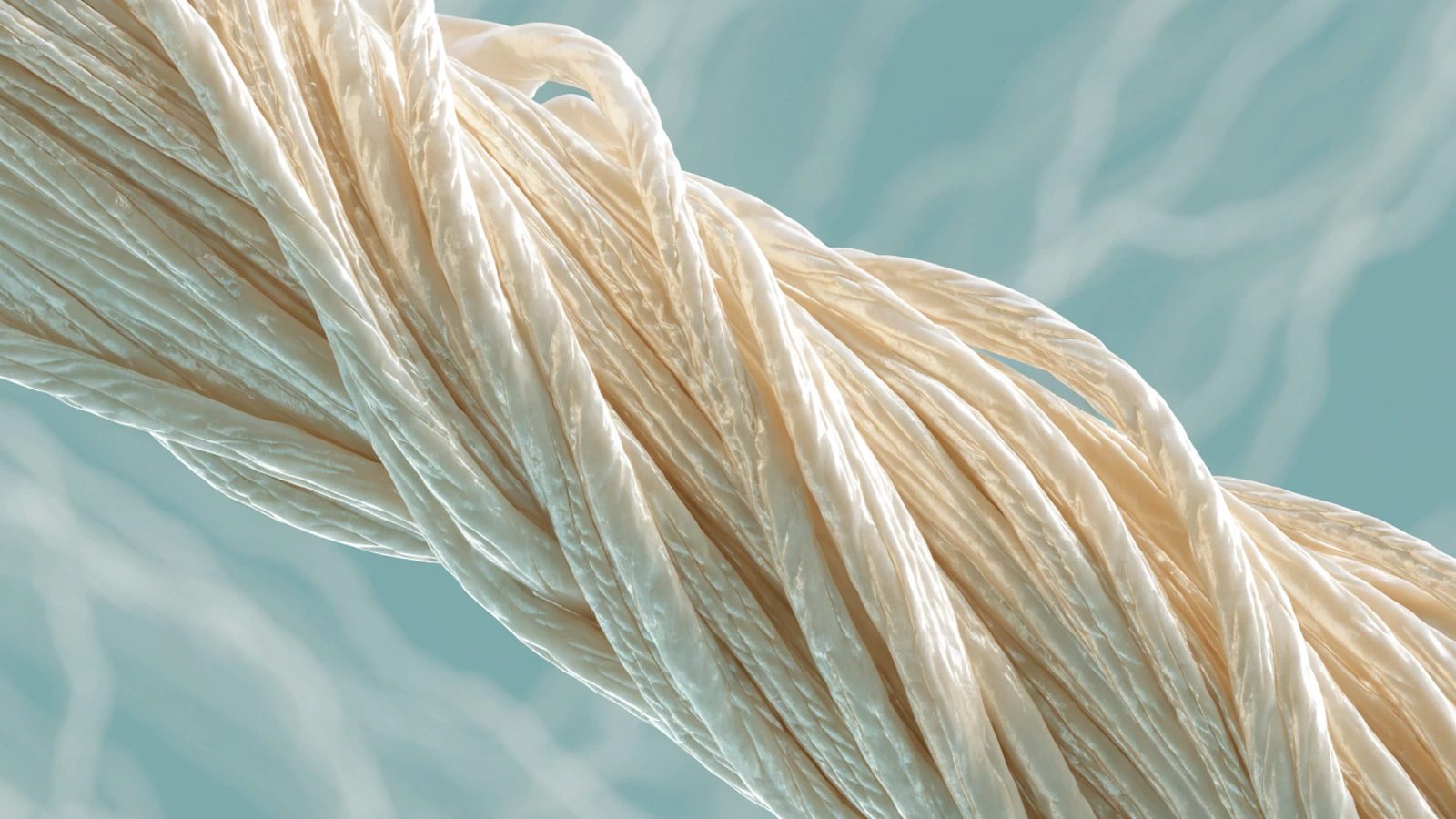
Silk cocoons are made of two proteins. Fibroin is the structural core fibre, a highly crystalline protein of large molecular weight. Sericin is the gum surrounding it, and is conventionally discarded in silk processing - which is why it became available cheaply as a cosmetic ingredient. Both are used hydrolysed in skincare.
What each does
Fibroin forms smooth, flexible films and is valued for the surface feel it gives and for its biocompatibility; it is also studied extensively as a biomaterial scaffold. In skincare its contribution is largely film-forming and sensory, with moisture retention as a consequence.
Sericin is more biologically interesting. It is rich in serine and other hydroxy amino acids, giving it strong water-binding capacity, and it has been studied for reduction of transepidermal water loss, antioxidant activity and effects relevant to atopic and dry skin conditions. Where a silk claim has substance, sericin usually carries it.
Where does Silk proteins: fibroin and sericin appear in the range?
Vegalab's Age Repair and Hyaluronic Skin Repair NanoSerums both use fibroin and sericin, described together as a silk-protein resilience complex. Fibroin contributes film and feel; sericin contributes hydration and antioxidant contribution.
What does Silk proteins: fibroin and sericin not do?
Neither penetrates to the dermis or contributes to your own structural proteins. Silk protein does not tighten skin in any lasting sense - the immediate smoothing is a film effect that washes off. And silk is an animal-derived material, which matters for readers who care about that.
References
The studies below describe the ingredient itself. Finished-product results appear in each product's evidence dossier.
More in ingredients
Products
No direct product mapping. Nothing in the Vegalab range declares silk proteins in its composition, so this page has no product link - the absence is deliberate, not an omission.