

Is neem oil safe for dogs?
Last updated:
Neem oil has low toxicity to mammals, and a small study of a neem seed shampoo on dogs reported no notable side effects1,2,4. It is not free of risk: neem can irritate skin and stomach, and cats treated with neem oil have had serious reactions1. Use only products whose label lists dogs, follow that label, and keep dogs off sprayed plants until they dry6,7.
What is neem oil, and how do dogs come into contact with it?
Neem oil is pressed from the seeds of the neem tree (Azadirachta indica), a tropical evergreen native to India2. It is yellow to brown, tastes bitter and smells of garlic or sulfur1. It is a mixture rather than a single chemical: azadirachtin is its most active component against pests, and the portion left once azadirachtin is extracted is called clarified hydrophobic neem oil1.
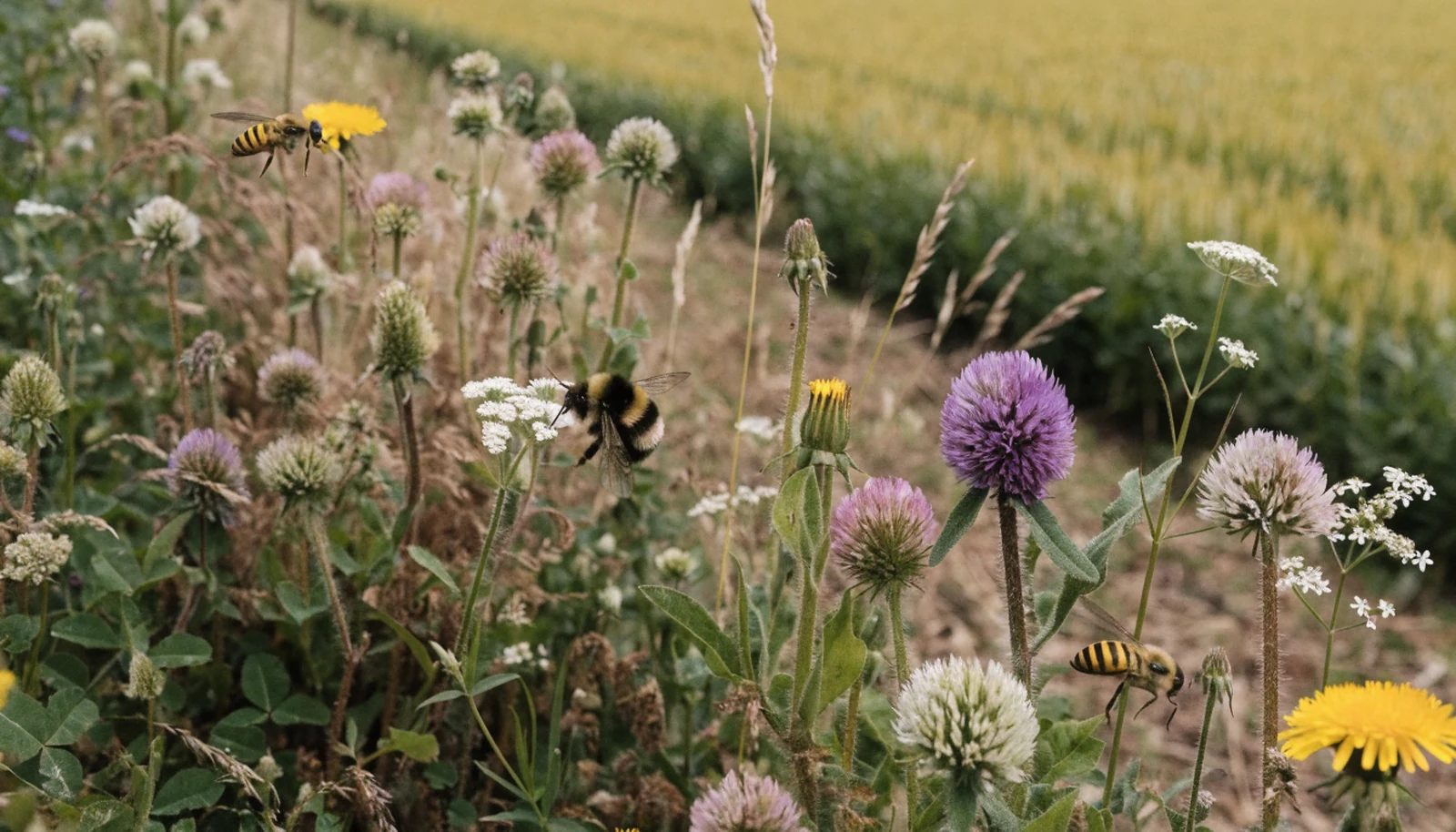
Dogs meet neem in two main ways. Neem oil and its purified components are used in over 100 pesticide products applied to crops and ornamental plants1, and residues can remain on treated plants after a spray dries, where pets can lick or chew them7. Components of neem oil are also used in pet shampoos and other pet products1,2. Animals are exposed to pesticides by breathing them in, absorbing them through the skin or swallowing them, and a pet's risk depends on how much it is exposed to and how toxic the product is to that type of animal7.
In North America, searches about neem oil and dogs peak in May and are lowest in December, so the advice on keeping dogs off freshly sprayed plants matters most through late spring and summer. In the Southern Hemisphere the same peak falls around November.
How toxic is neem oil to dogs?
The regulatory record points to low toxicity in mammals. The National Pesticide Information Center (NPIC) rates neem oil as practically non-toxic to birds, mammals and bees1. In its 2009 review of cold pressed neem oil, the EPA placed it in Toxicity Category IV (low toxicity) for acute oral and inhalation exposure, found that it is not a dermal sensitizer, and reported no clinical signs of toxicity in a 90-day feeding study2.
Those findings come from laboratory animals, not dogs. A review of oral toxicity data for neem preparations found that non-aqueous extracts are the most toxic neem products, that seed oil and water extracts are less toxic, and that most purified compounds, including azadirachtin, show relatively low toxicity3. For all preparations, the review identified reversible effects on male and female reproduction as the most important toxic effect of repeated or long-term exposure3. NPIC also reports a rat study in which feeding neem oil ended pregnancies1.
Neem oil can be slightly irritating to the eyes and skin, and azadirachtin can be very irritating to the skin and stomach1.
| Exposure | Finding | Tested in |
|---|---|---|
| Swallowed, single dose | Toxicity Category IV (low toxicity); oral LD50 above 5,000 mg/kg2 | Laboratory animals2 |
| Breathed in | Toxicity Category IV (low toxicity)2 | Laboratory animals2 |
| Skin and eyes | Slightly irritating to eyes and skin; azadirachtin very irritating to skin and stomach1; not a dermal sensitizer2 | Laboratory testing1,2 |
| Repeated or long-term intake | Reversible effects on reproduction were the most important effect3 | Mammal studies reviewed3 |
| Neem seed shampoo on the coat | No remarkable side effects over 14 days of daily use4 | Ten dogs4 |
| Neem oil used for fleas | Drooling, trembling, convulsions; some died, most recovered in 1 to 5 days1 | Cats, in other countries1 |
What do studies on dogs show?
In a 2008 study in Egypt, a water-free neem seed extract shampoo was applied daily for 14 days to ten dogs naturally infested with Sarcoptes scabiei mites4. By the end of treatment eight dogs were free of mites, and no remarkable signs of side effects or adverse reactions were seen during the study4.
In an earlier study, kennelled greyhounds infested with cat fleas (Ctenocephalides felis) were sprayed once with neem seed extract containing azadirachtin, which reduced flea numbers in a dose-dependent way5. The authors described azadirachtin-containing neem seed extract as an insect growth regulator, feeding deterrent and repellent with low toxicity5.
Both studies were designed to measure effects on parasites, and both tested specific preparations under study conditions4,5. They show that those products were tolerated by the dogs studied, not that every neem product suits every dog.
Why are cats different, and does that matter for dogs?
Reactions in cats are the clearest warning in the neem record. In other countries, neem oil used on cats for flea control caused adverse reactions including sluggishness, excessive drooling, impaired movement, trembling, twitching and convulsions; some of the cats died, although most recovered within 1 to 5 days1.
The EPA advises never applying dog products to cats, or cat products to dogs, because some pesticides are more toxic to one species than another6. In a home with both, a neem product used on the dog can still reach the cat, so consider separating the animals after treatment to stop one from licking or touching the product applied to the other7.
How do you use neem oil around dogs?
Whether the product goes on plants or on the dog, follow the product label. NPIC and the EPA give these precautions6,7:
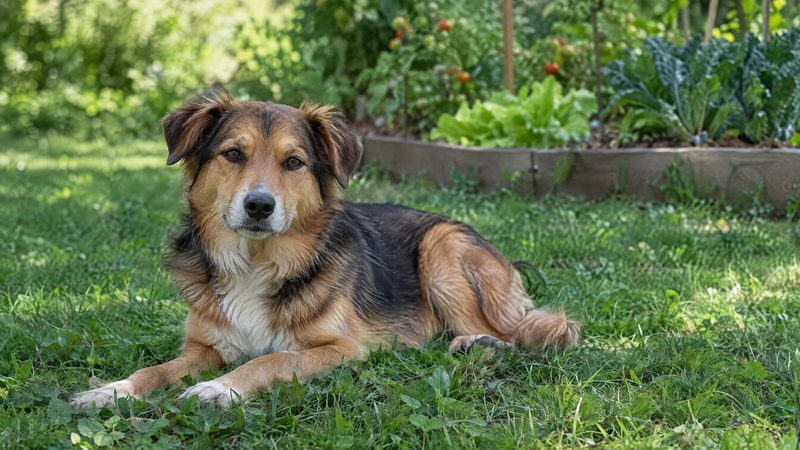
- Garden sprays: move the dog, its toys, bedding and food and water bowls out of the area before you mix or apply the product7.
- Garden sprays: keep the dog away for the time on the label or until the spray has dried completely, whichever is longer7.
- Garden sprays: stop the dog from licking, chewing or eating treated plants after they dry, because residues can remain on treated surfaces7.
- Storage: keep all products closed and securely stored where pets cannot reach them7.
- On the dog: use a product only on the species and size or weight the label specifies, and only in the amount it states6.
- On the dog: do not use a product on puppies unless the label specifically allows it6.
- On the dog: follow any label prohibitions on weak, aged, medicated, sick, pregnant or nursing pets6.
- On the dog: watch for side effects, especially the first time you use a product, and keep the package and label in case of a reaction6.
What should you do if your dog reacts to neem oil?
Signs of a reaction to a flea and tick product can include skin irritation and redness, vomiting, diarrhea, trembling, a depressed appearance and seizures8. If you suspect a reaction, read the precautionary statement on the label, consult your veterinarian right away, and bathe the dog with mild soap and rinse with large amounts of water8.
If your dog has difficulty breathing or is having tremors, call your veterinarian or an animal poison control center immediately7. For questions about a pesticide product, NPIC can be reached at 800-858-73786,7. Have the product label at hand so you can say exactly what the dog was exposed to6. This page is general information and does not replace veterinary advice.
Key takeaways
- EPA places cold pressed neem oil in its low toxicity category for swallowing and breathing it in.
- In a small study, ten dogs washed daily with a neem seed shampoo for 14 days showed no remarkable side effects.
- Neem can irritate skin and stomach, and repeated exposure has affected reproduction in laboratory mammals.
- Cats treated with neem oil have had serious reactions, so never use dog products on cats.
- Follow the label, keep dogs off sprayed plants until dry, and call a veterinarian if signs appear.
References
- Neem Oil General Fact Sheet
- Cold Pressed Neem Oil; Exemption From the Requirement of a Tolerance (Federal Register 74(207):55458-55463)
- Safety evaluation of neem (Azadirachta indica) derived pesticides
- Neem seed extract shampoo, Wash Away Louse, an effective plant agent against Sarcoptes scabiei mites infesting dogs in Egypt
- Effects of azadirachtin on Ctenocephalides felis in the dog and the cat
- Controlling Fleas and Ticks on Your Pet
- Pets and Pesticide Use Fact Sheet
- What to Do if Your Pet has an Adverse Reaction to a Flea and Tick Product
Frequently asked questions
Is a neem dog shampoo the same as garden neem oil?
Not necessarily. Neem products may contain whole neem oil, purified azadirachtin, or clarified hydrophobic neem oil with the azadirachtin removed1. Garden products are formulated for plants as granules, dusts, wettable powders or emulsifiable concentrates1. Use a product on your dog only if its label covers dogs, and only in the amount it states6.