

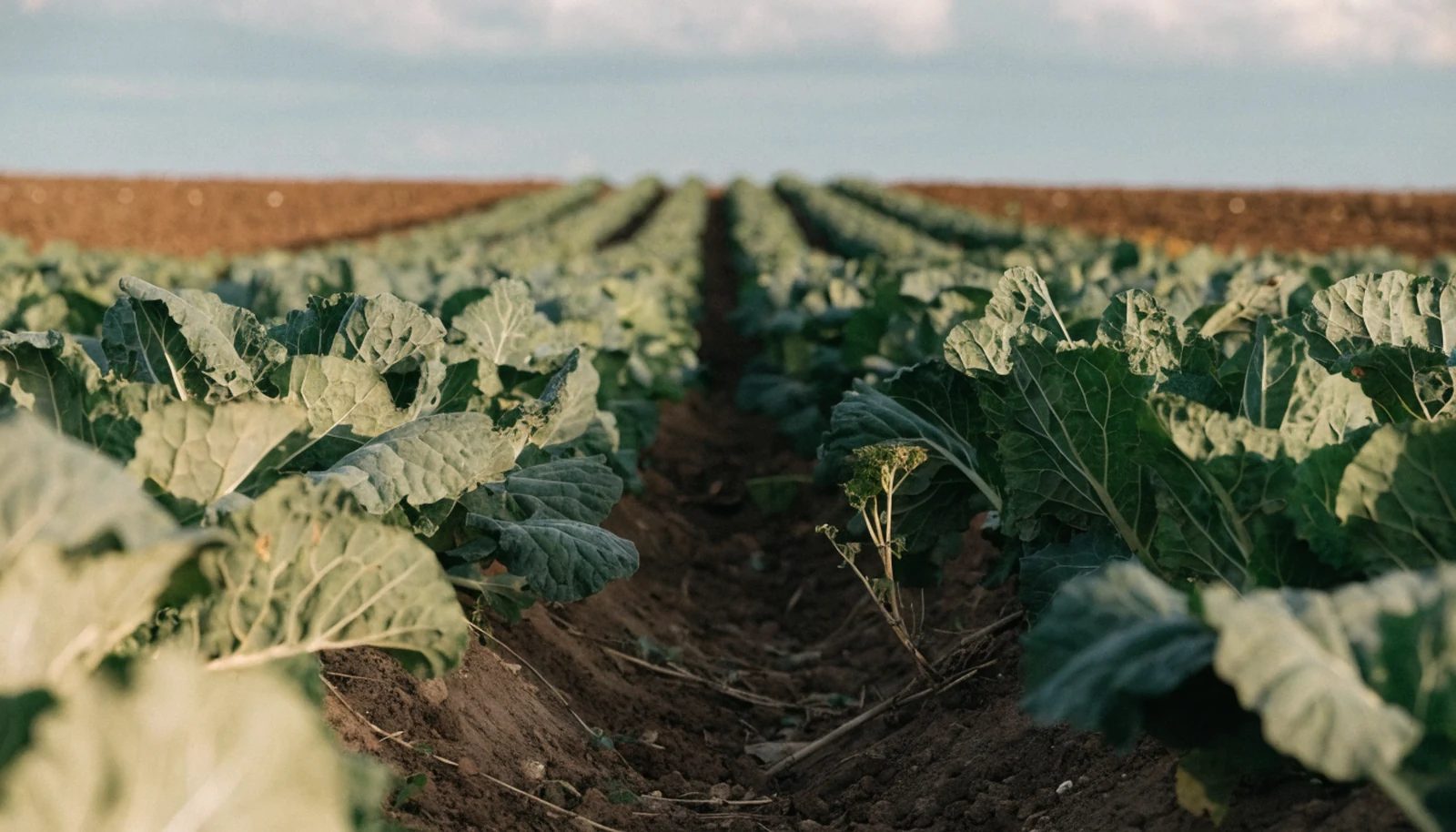
Heat stress is the damage high temperatures do to a crop: photosynthesis stalls, flowers and fruit abort, and quality degrades. Transpiration demand also drives water stress, and oxidative stress builds in tissues. To reduce it, irrigate steadily, build deep roots, and apply biostimulant support ahead of and through forecast heat events on the label interval, combined with irrigation and, where used, shading.
Why does heat stress matter?
A more stress-tolerant crop loses less to weather and recovers faster, protecting yield and quality.
When does heat stress appear?
Before and during heat/drought; and for recovery.
What causes heat stress in plants?
- Photosynthesis shutdown at high temperatures
- Flower and fruit abortion under heat
- Transpiration demand and water stress
- Oxidative stress in tissues
How do you reduce heat stress?
- Irrigate steadily; build deep roots.
- Support with Grow Boost, Kelp Boost, and Armour Boost (silicon).
Which Vegalab program supports crops through heat?
Kelp Boost and Charge BioBoost · encapsulated biostimulant actives that support osmotic balance and antioxidant defense to help crops hold function through heat.
Observed results: in citrus field trials, Sun Boost increased tree vigor and bloom; the firmness, cracking and stress products are positioned on cell-wall/calcium and biostimulant modes of action - keep this copy educational where specific-crop trial figures aren't yet available.
| Role | Product | Use |
|---|---|---|
| Abiotic stress | Grow Boost | Reduces stress from abiotic factors |
| Biostimulant | Kelp Boost | Stress & recovery support |
| Tissue strength | Armour Boost | Silicon for stress-resistant tissue |
Apply ahead of and through forecast heat events on the label interval; combine with irrigation and, where used, shading.
Product claims, rates, and availability vary by jurisdiction; always follow the applicable label.
Key takeaways
- Heat stress stalls photosynthesis, aborts flowers and fruit, and degrades quality.
- Drivers include photosynthesis shutdown, transpiration demand and water stress, and oxidative stress in tissues.
- Act before and during heat or drought, and support recovery afterward.
- Steady irrigation and deep roots are the base of heat management.
- A more stress-tolerant crop loses less to weather and recovers faster.