

Last updated:
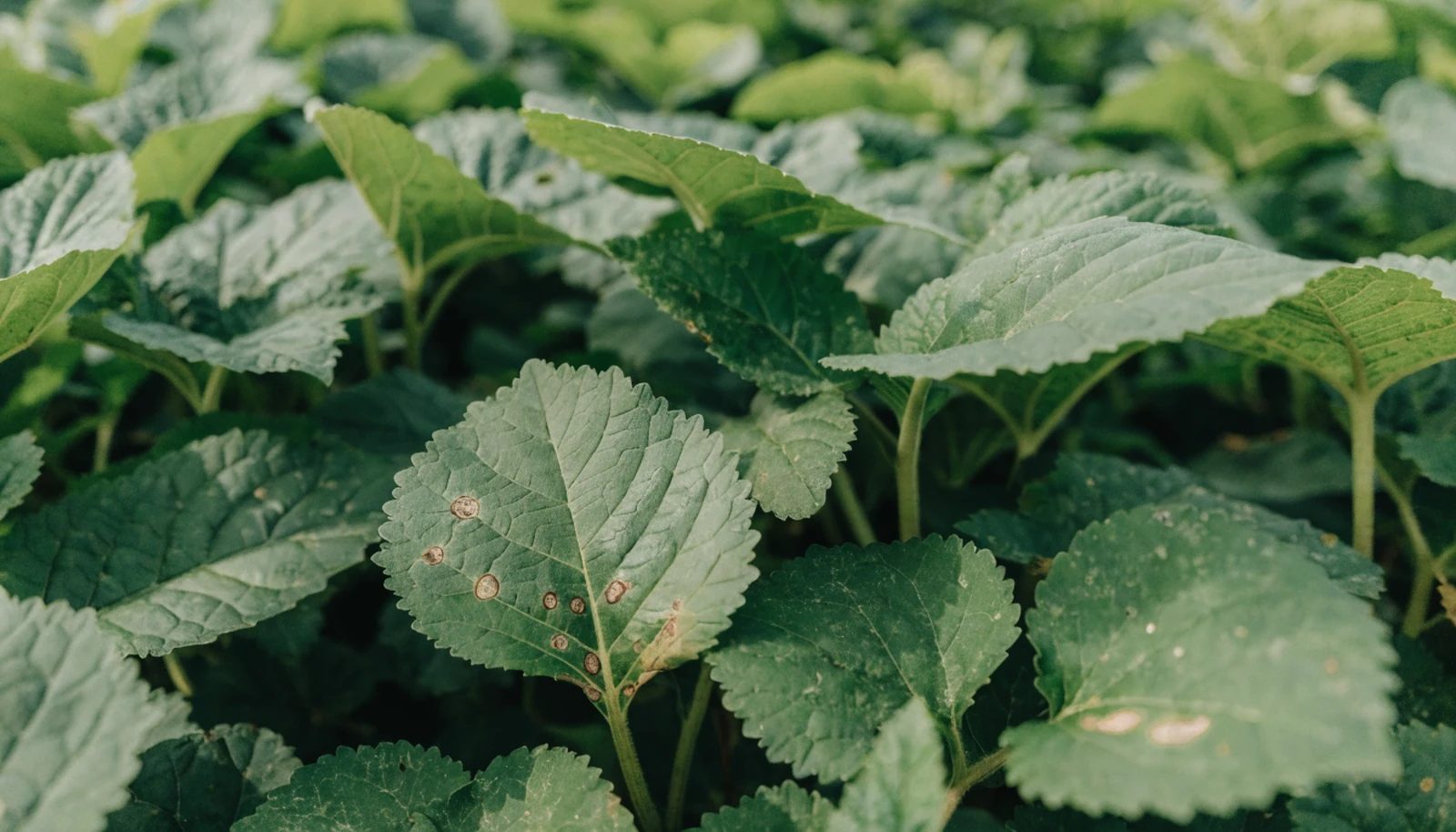
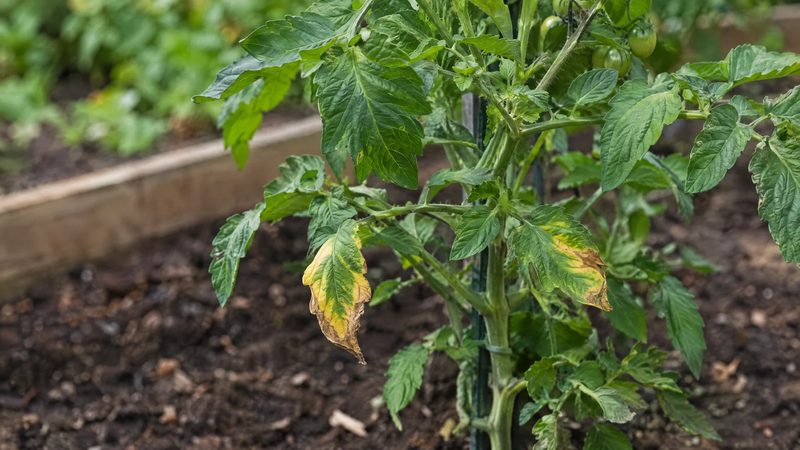
Potassium deficiency shows first on older, lower leaves, which turn yellow and then brown at the tips and margins, sometimes between the veins, and may curl or drop early.1 It is most common in sandy, leached soils, container plants and fruit trees, so confirm it with a soil or plant tissue test before adding a potassium fertilizer.1,3
What does potassium do for plants?
Potassium (chemical symbol K) is one of the three major plant nutrients, along with nitrogen and phosphorus.4,6 It is the most abundant cation (positively charged ion) in plants.5 Potassium is essential to enzyme activation, protein synthesis, photosynthesis, osmoregulation, stomatal movement, energy transfer, phloem transport and stress resistance.5 At least 60 plant enzymes need potassium to become active.4
Potassium also governs how plants handle water. Under drought it regulates stomatal opening and helps plants adapt to water deficits, and under salt stress it helps keep ion and osmotic balance.4 Oregon State University Extension summarizes its garden role as important for disease resistance and starch formation.6
In North America potassium symptoms are seen more often in dry spells, because uptake depends on diffusion through moist soil, and in soybeans they shift to upper leaves during grain fill in late summer.3 Oregon State advises applying wood ash in spring rather than winter, when rain can wash its nutrients away.6 In the Southern Hemisphere the same late-summer window falls from about February to March, and spring applications fall around September to October.
What are the signs of potassium deficiency?
Potassium moves easily inside the plant, so when supply runs short it is shifted from older to younger tissue and symptoms appear first on older leaves.3 On broadleaf plants, older leaves turn yellow and then brown at the tips and margins and between the veins, and they can crinkle, curl, roll along the edges or die and drop early.1 Foliage growth is often sparse.2
Symptoms vary by plant group. Potassium-deficient conifers show older needles turning dark blue-green, then yellow and reddish brown, often undersized with dead tips.1 Palms show yellow or orange flecks on older fronds that look translucent from below, sometimes with yellowing from the tips and margins.1 In soybeans, deficiency appears as yellowing, reddening and dying leaf margins on lower leaves during vegetative growth and on upper leaves during grain fill, often with stunting.3
Beyond the leaves, potassium-deficient plants show stunted growth, a poor root system, lodging and lower yields.4
| Plant type | Where it starts | What you see |
|---|---|---|
| Broadleaf garden and landscape plants | Older leaves | Yellow then brown tips, margins and areas between veins; crinkled, curled edges; early leaf drop |
| Conifers | Older needles | Dark blue-green, then yellow to reddish brown; small needles with dead tips |
| Palms | Older fronds | Yellow or orange translucent flecks; yellowing from tips and margins |
| Soybeans and field crops | Lower leaves, then upper leaves at grain fill | Yellow, reddening and dying margins; stunting |
| Whole plant | Throughout | Sparse growth, weak roots, lodging, lower yield |
How do you tell potassium deficiency from other nutrient problems?
Look at which leaves are affected and where the color change starts on the leaf. Nitrogen deficiency turns older leaves uniformly pale green to yellow, while potassium deficiency browns the tips and margins first.1,2 Iron and manganese deficiency show on new leaves, which turn yellow with green veins.2 Phosphorus deficiency makes young foliage abnormally dark green, sometimes purplish underneath.2
Visual diagnosis has limits. Symptoms of different nutrients can look alike, more than one nutrient can be short at once, disease, drought, insects and herbicides can mimic deficiencies, and crops can carry hidden hunger with no visible symptoms.3 Soil and plant tissue analysis is needed to confirm a visual diagnosis.3
Low soil potassium is often not the real cause. Outside of fruit and nut trees in sandy soil, palms and container plants, potassium symptoms usually come from conditions that injure or restrict roots: compaction, poor drainage, waterlogging, high soil pH, poor irrigation, root decay pathogens and root-feeding nematodes.1 Some sucking insects, foliar diseases and preemergence herbicides cause similar symptoms.1
| Nutrient | Leaves affected first | Typical pattern |
|---|---|---|
| Potassium | Older leaves | Yellow to brown tips and margins, curled edges |
| Nitrogen | Older leaves | Uniformly pale green to yellow; new growth small but green |
| Magnesium | Older leaves or fronds | Chlorosis, sometimes with dead areas; in palms bright yellow tips with green bases |
| Phosphorus | Young foliage | Abnormally dark green, purplish undersides |
| Iron or manganese | New leaves | Yellow to whitish with green veins |
What causes potassium deficiency in soil?
For most plants, soils naturally hold enough potassium.1 Deficiency is most likely where potassium leaches away or is limited: sandy soils, sparse topsoil, containers and planter boxes, fruit and nut trees in sandy soil, and palms.1 Excessive rainfall can leach potassium from coarse-textured soils, and crops with a high potassium requirement, such as soybeans, remove large amounts in the harvest.3
Dry soil makes the problem worse. Potassium reaches roots mainly by diffusion through soil water, so deficiency is seen more often under drought, and drought also restricts root growth.3,5 Nutrient balance matters too: high potassium reduces magnesium availability and excess magnesium makes potassium unavailable.1
How do you fix potassium deficiency?
Start with a soil test, and repeat it at least every other year; a regular fertilization program based on frequent soil testing is the most effective way to avoid deficiency.3 Where poor drainage, compaction or high pH is limiting root uptake, correct that, since root problems rather than low soil potassium are often the cause.1
UC IPM advises spreading organic mulch beneath plants and applying a potassium fertilizer, preferably a slow-release form such as potassium silicate or a sulfur- or polymer-coated potassium product.1 Potassium sulfate may be used, and organic matter and clay particles help hold potassium in the soil, but on sandy soils readily leached materials such as potassium nitrate and potassium sulfate are best avoided.1 Do not use potassium chloride where chloride or salt toxicity is a problem, and because potassium and magnesium compete, it may be best to add both together when one is deficient.1 Work potassium fertilizers into the soil by banding or broadcasting, and keep them from touching plant roots.6 Follow the product label for rates.
On palms, symptomatic fronds do not recover, so judge progress on new growth and leave yellowed fronds in place until fully brown to avoid aggravating the deficiency.1 For fruiting crops, Potassium Pro is a high-potassium, high-phosphorus fertilizer (0-20-26) applied as a foliar spray or through fertigation during fruit development and ripening.
What are natural sources of potassium for plants?
Wood ash is a good source of potassium and also acts as a liming material, which makes it most useful on acidic soils low in potassium.6 Typical wood ash contains about 4% potassium and is strongly alkaline, at pH 9 to 13, and hardwood ash carries more nutrients than softwood ash.6,7 Oregon State University Extension advises testing soil pH first and not applying ash where pH is already 7.0 or higher, keeping it away from acid-loving plants such as blueberries, rhododendrons and azaleas, avoiding it where potatoes grow because of potato scab, and never using ash from coal, painted or treated wood or burned trash.6
Other organic and mined sources vary widely in strength and speed. Seaweed and dried kelp supply readily soluble potassium, typically up to about 2%.7 Greensand contains up to 5% potassium but releases it so slowly that it may give little benefit at realistic rates.7 Naturally sourced potassium sulfate contains about 40% potassium, and langbeinite supplies potassium, magnesium and sulfur together.7 Manures, compost and grass clippings also return potassium to the soil.6,7 Organic growers should check with their certifier before using mined minerals, since some forms are restricted.7
| Source | Approximate potassium | Notes |
|---|---|---|
| Wood ash (hardwood) | About 4% K | Fast; raises pH; skip on alkaline soil and acid-loving plants |
| Seaweed or dried kelp | Up to about 2% K | Readily soluble |
| Greensand | Up to 5% K | Very slow release |
| Potassium sulfate (natural source) | About 40% K | Concentrated; mined or evaporated |
| Langbeinite | 18% K, plus magnesium and sulfur | Supplies magnesium at the same time |
| Manure, compost, grass clippings | Variable | Also supply nitrogen and organic matter |
Key takeaways
- Potassium deficiency browns the tips and margins of older leaves first because potassium moves from old to new growth.
- It is most common in sandy, leached soils, containers, fruit and nut trees and palms; elsewhere, root problems often cause the same symptoms.
- Confirm the diagnosis with soil and plant tissue tests before fertilizing.
- Potassium sulfate, slow-release potassium products and wood ash on acidic soil can correct a confirmed deficiency; follow the product label.
- Too much potassium can induce magnesium deficiency, so balance the two.
References
- Potassium Deficiency
- Common Nutrient Deficiency Symptoms
- Mid-Season Soybean Potassium (K) Deficiency
- Potassium: A Vital Regulator of Plant Responses and Tolerance to Abiotic Stresses
- The Critical Role of Potassium in Plant Stress Response
- Fertilizing Your Garden: Vegetables, Fruits and Ornamentals (EC 1503)
- Managing Soil Fertility in Organic Systems