


Oxymatrine
Last updated:
What is oxymatrine?
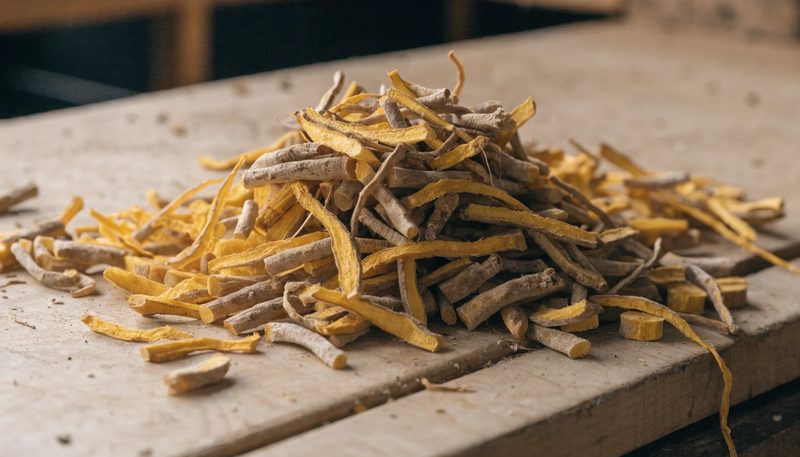
Oxymatrine is a quinolizidine alkaloid extracted from the roots of Sophora flavescens, a legume used for centuries in Chinese medicine. It is the N-oxide of matrine, and both alkaloids occur together in the plant; commercial products are usually standardised to oxymatrine content. It has been registered as a botanical insecticide in China for decades and is comparatively new to Western markets.
How does oxymatrine work?
The mode of action is not as cleanly characterised as for pyrethrins or Bt, which is itself worth stating. Electrophysiology and toxicology work on matrine-type alkaloids establishes GABA-receptor potentiation, producing flaccid paralysis, as the characterised mechanism - not acetylcholinesterase inhibition, which earlier secondary sources reported. Activity also includes contact and stomach action and antifeedant behaviour. Some work also reports effects on insect moulting.
Practically it behaves as a broad-spectrum contact and ingestion insecticide with relatively rapid knockdown of soft-bodied larvae and sucking pests, and short environmental persistence.
Why this page matters
There is very little good English-language reference material on oxymatrine, despite it being a significant botanical active used across two Vegalab products and registered widely in Asia. A grower researching it will find product pages and fragmentary abstracts. A clear, honest, properly sourced explanation would be the best available reference on the open web - which is exactly the kind of gap this library exists to fill.
What does oxymatrine not do?
It is not systemic and does not protect new growth. Persistence is short, so timing against pest life stage matters more than rate. It is not selective in the way a target-site-specific synthetic is, and beneficial insects exposed directly can be affected. Resistance management still applies: a botanical origin does not exempt an active from selection pressure.
Is oxymatrine safe?
Mammalian toxicity of oxymatrine is low relative to synthetic alternatives, but low is not zero and matrine-type alkaloids are pharmacologically active compounds. Standard applicator protection applies. Aquatic and pollinator data should be checked against the specific product label rather than inferred from the active - and the label is the governing document in every jurisdiction.
Which products are built on oxymatrine?
References
Products
This page lists the products built on oxymatrine above.