


Does peppermint oil repel pests?
Last updated:
Yes, for a short time. Peppermint oil, steam-distilled from Mentha piperita and rich in menthol, has contact activity against insects and mites plus a repellent and antifeedant effect, and menthol vapor extends repellency beyond the treated surface. It is highly volatile, so repellency fades within hours to a day or two, and it does not reach armored pests such as mature scale.
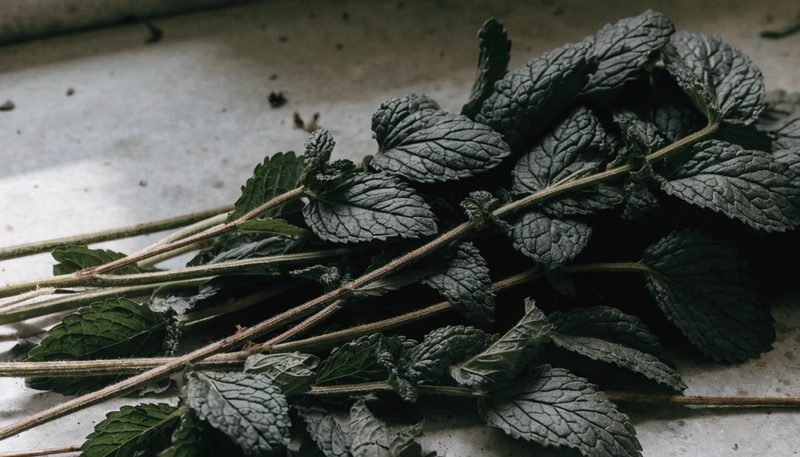
What is peppermint oil?
Peppermint oil is steam-distilled from Mentha piperita, with menthol typically the dominant constituent alongside menthone, menthyl acetate and smaller amounts of other monoterpenes. Composition varies substantially with cultivar, growing conditions and harvest timing, which means "peppermint oil" is a variable material rather than a defined chemical.
How does peppermint oil work?
Contact activity through disruption of insect and mite cuticle and membranes, plus a repellent and antifeedant effect attributed to interference with octopamine receptors - an invertebrate neurotransmitter system with no mammalian equivalent, which is part of why selectivity toward invertebrates is reasonable. Menthol also has vapor activity, contributing a repellent effect beyond the treated surface.
What does peppermint oil not do?
Highly volatile, so persistence is measured in hours to a day or two rather than weeks - repellency fades quickly. Not systemic. Not effective against armoured or well-protected pests such as mature scale. And at higher concentrations it is phytotoxic, particularly on young or stressed foliage in bright warm conditions.
Is peppermint oil safe?
Peppermint oil is toxic to cats for the same reason geraniol is: cats lack adequate glucuronyl transferase activity to conjugate and excrete terpenoid and phenolic compounds. Exposure routes include skin, inhalation and grooming, so a cat is never treated with these products, and treated areas should be dry and ventilated before access. This applies with particular force to Vetpure Miticide, which is an animal-premise product built on essential-oil actives.
Toxic to fish at low concentrations. Concentrated oil is a skin and mucous-membrane irritant, and menthol vapor is an airway irritant in enclosed spaces.
Products containing it
Spider Mite Control (with geraniol 30%, cottonseed and rosemary oils) and, per internal formulation notes, Vetpure Miticide in the Biosecurity range.
Key takeaways
- Peppermint oil composition varies with cultivar, growing conditions and harvest timing.
- Its repellent effect is attributed to interference with octopamine receptors, a system with no mammalian equivalent.
- It is not systemic, and persistence is measured in hours to a day or two.
- At higher concentrations it is phytotoxic, especially on young or stressed foliage in bright, warm conditions.
- It is toxic to cats and to fish.
References
- TRPM8: from cold to cancer, peppermint to pain
- Patch Testing to Mentha piperita (Peppermint) Oil: The North American Contact Dermatitis Group Experience (2009-2020)
- Amended Safety Assessment of Mentha piperita (Peppermint)-Derived Ingredients as Used in Cosmetics
- 40 CFR 152.25(f), Table 1 - Permitted active ingredients
- Toxicity and repellent activity of essential oil from Mentha piperita Linn. leaves and its major monoterpenoids against three stored product insects
- Toxicoses From Essential Oils in Animals — Merck Veterinary Manual · clinical reference
Frequently asked questions
Is peppermint oil safe around cats?
No. Peppermint oil is toxic to cats for the same reason geraniol is: cats lack adequate glucuronyl transferase activity to conjugate and excrete terpenoid and phenolic compounds. Exposure can come through skin, inhalation and grooming, so a cat is never treated with it, and treated areas should be dry and ventilated before a cat has access.
Can peppermint oil spray damage plants?
Yes, at higher concentrations it is phytotoxic. Young or stressed foliage in bright, warm conditions is most at risk.
Does peppermint oil work on scale insects?
Not on armored or well-protected pests such as mature scale. Its activity is by contact with the cuticle and membranes, so well-protected pests are out of reach.
Related reading
Products
No direct product mapping. Nothing in the Vegalab range declares peppermint oil in its composition, so this page has no product link - the absence is deliberate, not an omission.