


BPC-157
Last updated:
BPC-157 is an unapproved research peptide with no approved human use anywhere. Nearly all of its evidence comes from rodent studies, largely from one research group, and it is explicitly prohibited in sport. Vegalab does not make, sell or source BPC-157.
What BPC-157 is
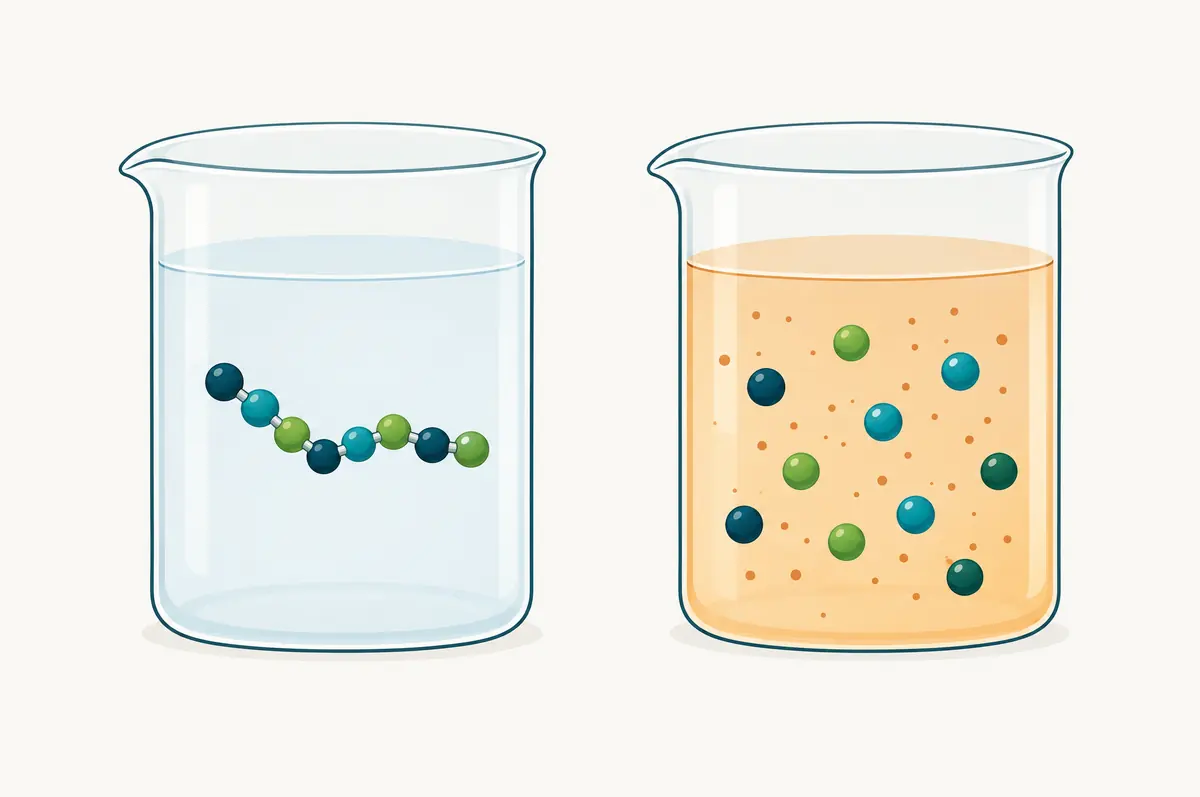
Body Protection Compound 157 is a synthetic 15-amino-acid peptide (about 1.4 kDa) whose sequence is taken from a protein isolated from human gastric juice. Rodent studies report effects on tendon, ligament, muscle and gut healing, angiogenesis via VEGFR2 signaling, and nitric oxide pathways. Most of these studies come from the University of Zagreb group that first described it. Independent replication is limited, and published human data consist of small uncontrolled reports.
Regulatory status
BPC-157 is not approved as a drug by FDA, EMA or Health Canada, and it cannot legally be sold as a dietary supplement in the US. In 2023 FDA placed it in Category 2 of its interim 503A bulk drug substances list, citing safety concerns and immunogenicity risk. In April 2026 FDA announced it would remove BPC-157 and several other peptides from Category 2 pending further review; that affects compounding eligibility only and is not a drug approval. WADA lists BPC-157 by name under S0, non-approved substances.
Stability and delivery facts
BPC-157 is reported to be unusually stable in gastric juice for a peptide, which is why oral use appears in animal studies. There are no published human pharmacokinetic studies establishing bioavailability by any route. Products sold online as research chemicals are unregulated, and independent testing has found mislabeled content and contamination. Vegalab does not test, certify or endorse any commercial BPC-157 material. Human safety has not been characterized in controlled studies.
Why this page exists
Clinicians, regulators and partners ask about BPC-157. This page gives the evidence tier plainly: animal data, no controlled human trials, unapproved, and prohibited in sport. The page also explains why Vegalab does not supply BPC-157. Our policy is to work with compounds only where a regulated pathway exists, such as an investigational new drug application, a registered veterinary program or academic research under ethics approval. Delivery science is shared publicly; products for unregulated sale are not made. Readers seeking treatment should speak with a licensed clinician about approved options.
Key facts
- BPC-157 is named as an example of a non-approved substance prohibited at all times under S0 (WADA Prohibited List 2026)
- Evidence for BPC-157 in musculoskeletal healing comes predominantly from preclinical studies, with minimal human data (Vasireddi et al. 2025, HSS J, systematic review)
- FDA listed BPC-157 in Category 2 of the interim 503A bulk drug substances list for significant safety risks (FDA, 503A bulks list, 2023)
- FDA announced in April 2026 that BPC-157 and other peptides would be removed from Category 2 pending further evaluation (FDA 503A bulk drug substances update, April 2026)
How our delivery technology applies
Vegalab works on compounds like BPC-157 as delivery science with partners who hold a legitimate regulatory pathway, such as an investigational new drug program or veterinary research. The relevant questions would be protease resistance in intestinal fluid, local release at the gut mucosa, and whether any systemic exposure occurs at all, measured in validated assays.
Running a regulated peptide program? Contact our partnership team about delivery feasibility.