


Do home remedies for ticks work?
Last updated:
Mostly not. Garlic has one small human trial that has not been replicated, and it is toxic to dogs and cats. Petroleum jelly, nail polish and heat delay removal of attached ticks, and homemade essential-oil sprays evaporate within hours at an unknown dose. What helps is fine-tipped tweezers for removal and yard habitat management: short grass, no leaf litter, a dry border.
Most tick home remedies either lack evidence or work against you. Garlic has one small human trial and is toxic to dogs and cats; petroleum jelly, nail polish and heat delay removal of attached ticks. Fine-tipped tweezers for removal and habitat management for yards are what agencies recommend.
Does garlic prevent tick bites?
A small crossover study in Swedish military conscripts reported fewer tick bites during periods of garlic intake. It has not been replicated at scale and does not support garlic as a reliable measure. For pets, garlic and other Allium species damage red blood cells in dogs and cats, and cats are especially sensitive. Feeding garlic to pets as tick prevention is a risk without a demonstrated benefit. Garlic oil is a permitted minimum-risk pesticide active, but that is a registered product question, not a diet question.
Does suffocating or burning an attached tick work?
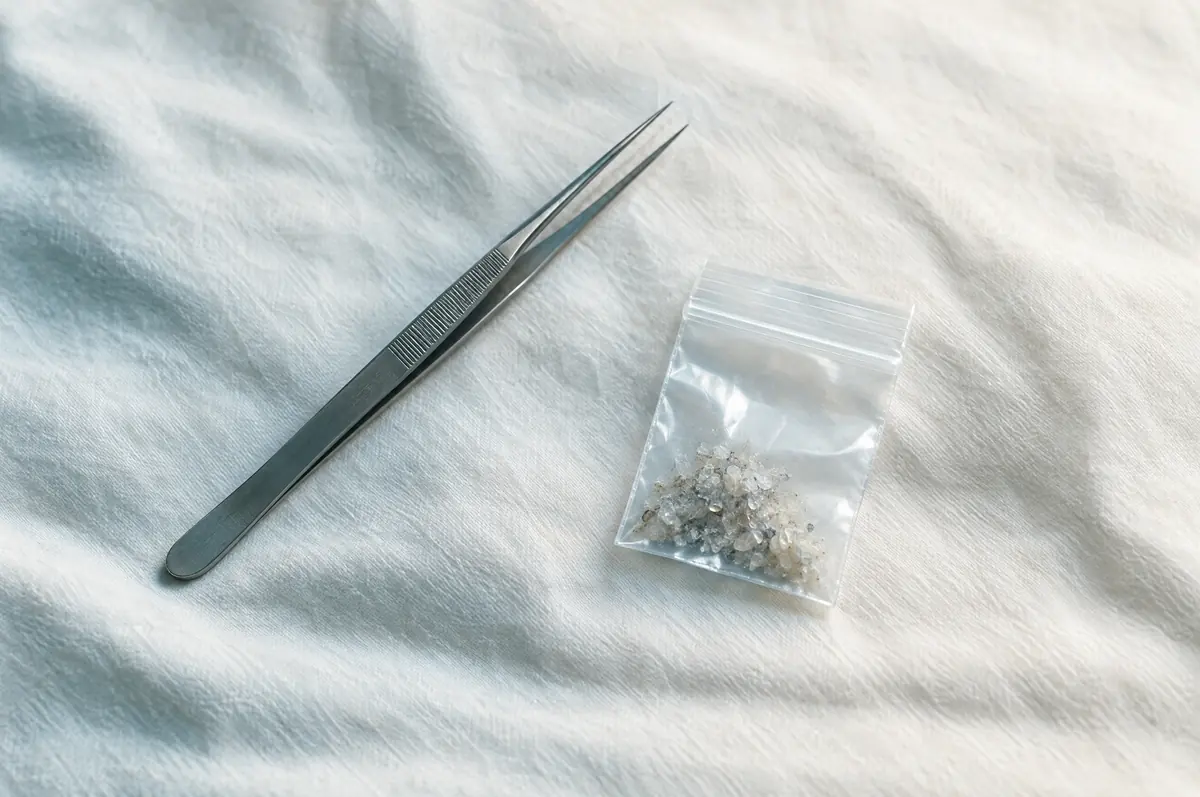
Covering an attached tick with petroleum jelly or nail polish, or applying a hot match, aims to make it detach. Ticks breathe slowly and can remain attached for a long time, so these methods delay removal and can irritate the tick. Public health guidance is direct: grasp the tick close to the skin with fine-tipped tweezers, pull upward with steady pressure, clean the area, and dispose of the tick. Save the tick in a sealed bag or tape if a physician or veterinarian may want it identified.
Do homemade essential-oil sprays work?
Kitchen mixes of essential oils in water separate, evaporate within hours and deliver an unknown dose. Some oils, including peppermint and tea tree, are toxic to cats. Published geraniol data show ticks need concentrations far above what a homemade spray reliably delivers. Mixes applied to pets or bedding put cats at particular risk, and oils sprayed onto lawns evaporate before most ticks ever contact them. Concentration and residual are the problems, not the choice of oil.
What works instead?
Keep grass short, remove leaf litter, create a dry gravel or woodchip border between lawn and woods, and discourage deer and rodent hosts. After time outdoors, tumble dry clothing on high heat to kill ticks on dry clothes. Consult a veterinarian for pet tick products. These measures reduce tick habitat near the house rather than attempting to kill every tick in the landscape. Tick-reduction yard zoning explains the layout in detail.
Key takeaways
- One small crossover trial reported fewer tick bites during garlic intake; it has not been replicated at scale.
- Garlic and other Allium species damage red blood cells in dogs and cats.
- Petroleum jelly, nail polish and heat delay removal of an attached tick.
- Homemade essential-oil sprays separate, evaporate within hours and deliver an unknown dose.
- Short grass, no leaf litter and a gravel or woodchip border reduce tick habitat near the house.
Key facts
- A double-blind crossover trial in Swedish marines reported a modest reduction in tick bites during garlic intake (Stjernberg and Berglund 2000, JAMA 284:831).
- CDC recommends fine-tipped tweezers for tick removal and advises against petroleum jelly, nail polish or heat (CDC, Tick Removal guidance).
- CDC advises tumble drying clothes on high heat for 10 minutes to kill ticks on dry clothing (CDC, Preventing Tick Bites).
- Allium species including garlic cause oxidative damage to red blood cells in dogs and cats (Merck Veterinary Manual, Allium Species Toxicosis).
How our delivery technology applies
Home sprays fail on two counts: dose and residual. Geraniol needs 10 to 20 times the spider mite rate against ticks, and neat oils hold a few days. Vegalab's Tick Control program addresses both with a tick-specific load in a multi-layer shell, tested against neat geraniol over 28 days. It is in development.
Questions
What is a natural way to reduce ticks in the yard?
Manage habitat. Keep grass short, remove leaf litter, create a dry gravel or woodchip border between lawn and woods, and discourage deer and rodent hosts. These measures reduce tick habitat near the house rather than trying to kill every tick in the landscape.
How do you remove an attached tick?
Grasp the tick close to the skin with fine-tipped tweezers, pull upward with steady pressure, clean the area and dispose of the tick. Save it in a sealed bag or on tape if a physician or veterinarian may want it identified.
How do you kill ticks on clothing?
Tumble dry clothing on high heat after time outdoors. CDC advises 10 minutes on high heat to kill ticks on dry clothing.
Why do essential-oil sprays fail on lawns?
Oils sprayed onto lawns evaporate before most ticks ever contact them. Published geraniol data show ticks need concentrations far above what a homemade spray reliably delivers, so concentration and residual are the problems, not the choice of oil.
Homeowners and PMPs: follow the Tick Control program for trial updates.