


What is tea saponin?
Last updated:
Tea saponin is a mixture of triterpenoid saponins obtained from the seed cake left after pressing oil from Camellia oleifera. Its amphiphilic structure makes it a natural surfactant that disrupts cell membranes. Against slugs and snails it destroys the protective mucus layer and causes severe dehydration on contact. It has no residual activity once dried and is potently toxic to fish.
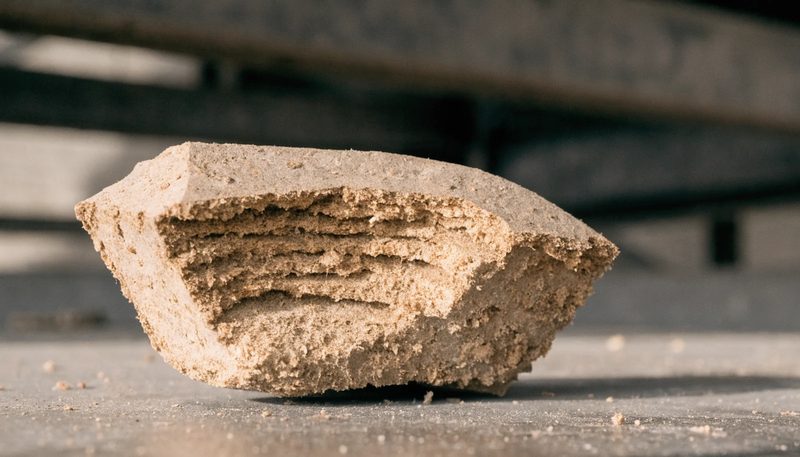
What is tea saponin?
Tea saponin is a mixture of triterpenoid saponins obtained from the seed cake left after pressing oil from Camellia oleifera. It is a by-product of tea-oil production, which makes it an unusually circular input. Note it is distinct from quillaja saponins from soapbark, which are used elsewhere in the industry, and from the tea plant Camellia sinensis.
How does tea saponin work?
Saponins are amphiphilic: a hydrophobic triterpene aglycone with hydrophilic sugar chains. That structure makes them natural surfactants, and it also lets them complex with sterols in cell membranes, disrupting membrane integrity.
Against molluscs the effect is direct and visible - saponins destroy the protective mucus layer and cause severe dehydration, which is why slugs and snails respond quickly to contact. Against soil-surface arthropods the mechanism is similar membrane and cuticle disruption, aided by the surfactant action improving wetting and coverage.
What does tea saponin not do?
It is a contact material with no residual activity once dried and degraded, so reinfestation from untreated ground is the normal failure mode. It is not selective and will affect non-target soft-bodied soil organisms in the treated zone. And it does not control molluscs by bait attraction the way iron phosphate products do, so placement relative to where the pests actually are matters more.
Is tea saponin safe?
Saponins are potently toxic to fish. Their haemolytic action on gill membranes is so reliable that plant saponins have been used historically as fish poisons for harvesting. Any application near ponds, ditches, streams or drainage that reaches surface water must be avoided, and this deserves prominence rather than a footnote.
For mammals, oral toxicity is low and saponins are poorly absorbed from the gut, but they are irritant to mucous membranes, so applicator protection applies.
Which products are built on tea saponin?
Slug Control (tea saponin from Camellia oleifera), targeting slugs, snails, mole crickets and ants, including Deroceras, Limax and Acusta species.
Key takeaways
- Tea saponin is a by-product of tea-oil production, distinct from quillaja saponins and from the tea plant Camellia sinensis.
- Saponins complex with sterols in cell membranes, disrupting membrane integrity.
- It acts on contact and has no residual activity once dried and degraded.
- It is not selective and can affect non-target soft-bodied soil organisms in the treated zone.
- Oral toxicity to mammals is low, but it irritates mucous membranes.
References
Frequently asked questions
Where does tea saponin come from?
It comes from the seed cake left after pressing oil from Camellia oleifera, which makes it a by-product of tea-oil production. It is distinct from the tea plant Camellia sinensis and from quillaja saponins from soapbark.
How does tea saponin act on pests?
Saponins are amphiphilic, so they act as surfactants and complex with sterols in cell membranes. In slugs and snails they destroy the protective mucus layer and cause severe dehydration, and in soil-surface arthropods they disrupt membranes and cuticle. Tea saponin does not attract pests the way bait products do, so placement where the pests are matters.
Is tea saponin safe for fish and ponds?
No. Saponins are potently toxic to fish, through a hemolytic action on gill membranes reliable enough that plant saponins were historically used to harvest fish. Avoid any application near ponds, ditches, streams or drainage that reaches surface water.
Products
No direct product mapping. Nothing in the Vegalab range declares tea saponin in its composition, so this page has no product link - the absence is deliberate, not an omission.