


Glutathione: absorption, forms and evidence
Last updated:
Glutathione is a water-soluble tripeptide made in every cell and the main intracellular antioxidant. Oral evidence is mixed: a single oral dose did not raise plasma glutathione, while a six-month randomized trial reported higher glutathione in blood, red blood cells and buccal cells. In products and in solution, reduced glutathione oxidizes to glutathione disulfide, which lowers the active fraction.
Glutathione is the main intracellular antioxidant, and one of the most contested oral supplements. A single oral dose does not raise plasma glutathione; six months of daily dosing raised body stores in one trial. The molecule also oxidizes readily in products. Vegalab's Glutathione Nano program targets both gaps.
What is glutathione?
Glutathione (gamma-glutamyl-cysteinyl-glycine, 307.3 Da) is a water-soluble tripeptide made in every cell. Its unusual gamma-glutamyl bond resists most peptidases, but gamma-glutamyltransferase on the intestinal brush border and in tissues cleaves it. Cells rebuild it from cysteine, glutamate and glycine. In storage and in solution, reduced glutathione (GSH) oxidizes to glutathione disulfide (GSSG), reducing the active fraction. Because glutathione synthesis is limited by cysteine, many researchers favor precursor strategies such as NAC over direct supplementation.
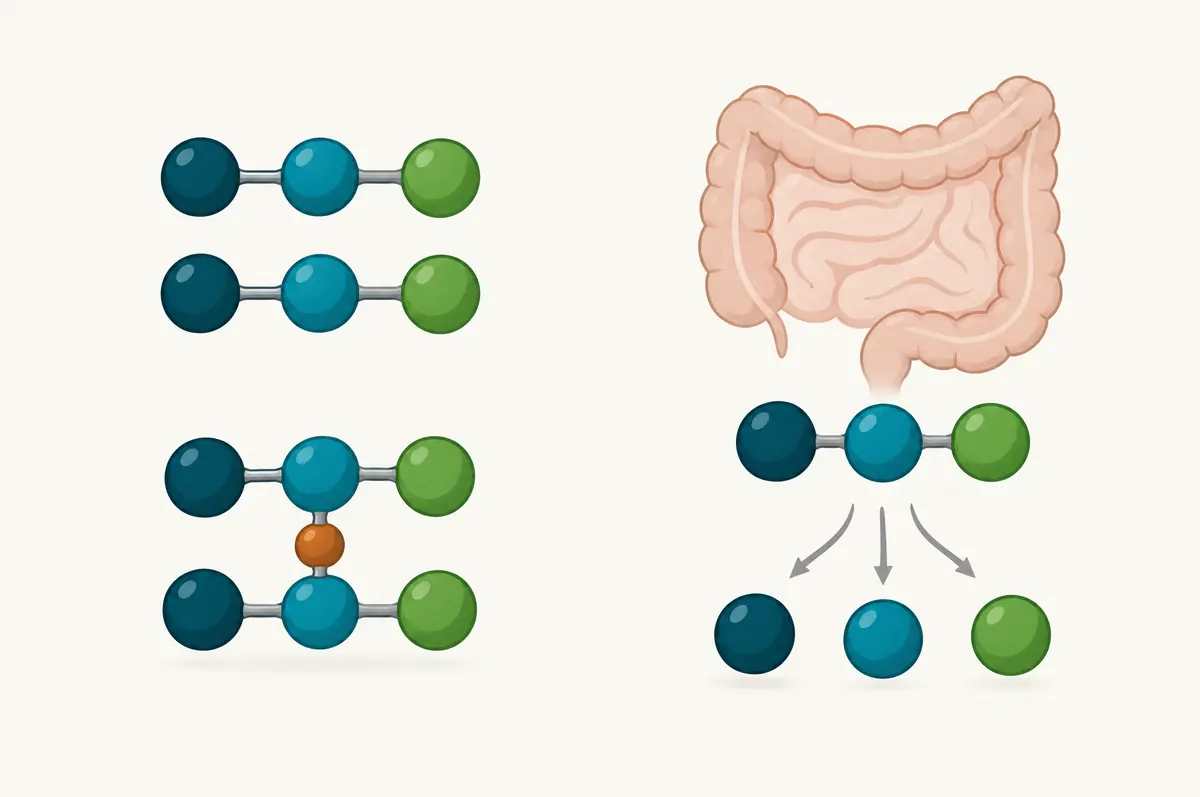
Does oral glutathione raise body levels?
Human: a single 3 g oral dose did not raise plasma glutathione. A four-week trial found no change in oxidative stress markers. A six-month randomized trial reported increased glutathione in blood, erythrocytes and buccal cells, and liposomal and sublingual formats have small positive studies. The evidence is mixed and dose and duration dependent. There are no approved drug uses for oral glutathione. Most positive studies use daily dosing for months and measure body stores rather than clinical outcomes.
What is glutathione's regulatory status?
United States: sold as a dietary supplement ingredient. EU: permitted in food supplements in some member states under national rules. Topically, glutathione is used as a cosmetic ingredient. Injectable glutathione marketed for skin lightening has drawn regulator warnings in several countries and is outside anything Vegalab supports. Not on the WADA Prohibited List. Cosmetic use is governed by cosmetic claim rules, and oral use by supplement rules in each market.
Key takeaways
- Glutathione is a 307 Da tripeptide that the enzyme gamma-glutamyltransferase cleaves on the intestinal brush border.
- A single oral dose did not raise plasma glutathione; daily intake for six months raised body stores in one trial.
- Liposomal glutathione raised glutathione stores in a pilot study.
- Reduced glutathione oxidizes to glutathione disulfide (GSSG) in storage and in solution.
- Oral glutathione has no approved drug uses and is sold as a dietary supplement ingredient in the US.
Key facts
- A single 3 g oral dose of glutathione did not increase circulating glutathione (Witschi et al. 1992, Eur J Clin Pharmacol 43:667)
- Oral glutathione 500 mg twice daily for 4 weeks did not change oxidative stress biomarkers (Allen and Bradley 2011, J Altern Complement Med 17:827)
- Daily oral glutathione for 6 months increased body glutathione stores (Richie et al. 2015, Eur J Nutr 54:251)
- Liposomal glutathione raised glutathione stores and altered immune markers in a pilot study (Sinha et al. 2018, Eur J Clin Nutr 72:105)
How our delivery technology applies
Two delivery problems define glutathione: oxidation to GSSG on the shelf and enzymatic cleavage at the brush border. A multi-layer biopolymer shell limits oxygen and moisture contact during storage, keeping the reduced form, and can release the payload gradually along the small intestine rather than all at once. Glutathione Nano is designed to test whether this improves the absorbed reduced fraction compared with plain and liposomal forms.
Questions
Does oral glutathione raise glutathione levels?
The evidence is mixed. A single oral dose did not raise plasma glutathione and a four-week trial found no change in oxidative stress markers, while a six-month randomized trial reported increased glutathione stores. Most positive studies measure body stores rather than clinical outcomes.
Is liposomal glutathione better absorbed?
Liposomal glutathione raised glutathione stores and altered immune markers in a pilot study. The studies are small, and the overall evidence remains mixed.
Why do some researchers favor NAC over glutathione?
Glutathione synthesis in cells is limited by cysteine. Many researchers therefore favor precursor strategies such as NAC over direct supplementation.
Is glutathione an approved drug?
No. Oral glutathione has no approved drug uses; it is sold as a dietary supplement ingredient in the US and permitted in food supplements in some EU member states. Injectable glutathione marketed for skin lightening has drawn regulator warnings in several countries.
Discuss Glutathione Nano licensing or co-development with Vegalab.